


Vitra VR Roadshow
Vitra's virtual office worlds: An interactive VR experience showcasing three distinct interior design styles.
Ateo has developed training software for the University Hospital Zurich designed to improve hand hygiene in everyday hospital life. By simulating a patient visit in virtual reality (VR), the software uses germ visualization to make various types of contamination visible to users, bringing otherwise invisible processes to their attention.
The virtual reality visit takes place in a near-lifelike, true-to-scale replica of a patient room at the University Hospital Zurich, created by Ateo. The tasks users must perform are also modeled as closely as possible on a real patient visit. For example, players must take temperatures, listen to patients with a stethoscope, and disinfect their hands. This faithful reproduction of reality in VR further enhances user immersion, thereby increasing the simulator's learning effect.
There are three types of germs in the practice room that users risk spreading to different patients. Improper actions can lead to the entire room becoming contaminated. To visualize this effect, we developed a "germ layer" that can be toggled on at any time. This overlay allows users in virtual reality to see how successfully—or unsuccessfully—they have prevented the spread of germs in the hospital room.
To enable the integration of ViRTUE into University Hospital studies, Ateo built a system that allows for loading various test scenarios, collecting participant data, and setting specific parameters. Additionally, supervisors can view the player's VR perspective throughout the entire patient visit, and a log file is populated with every interaction for later analysis. This allows the virtual reality trainer to facilitate important debriefings and use the collected data to point out errors in visit procedures. The aforementioned germ view helps to concretely visualize these errors and better understand the implications of actions for hand hygiene.


More projects
Vitra's virtual office worlds: An interactive VR experience showcasing three distinct interior design styles.
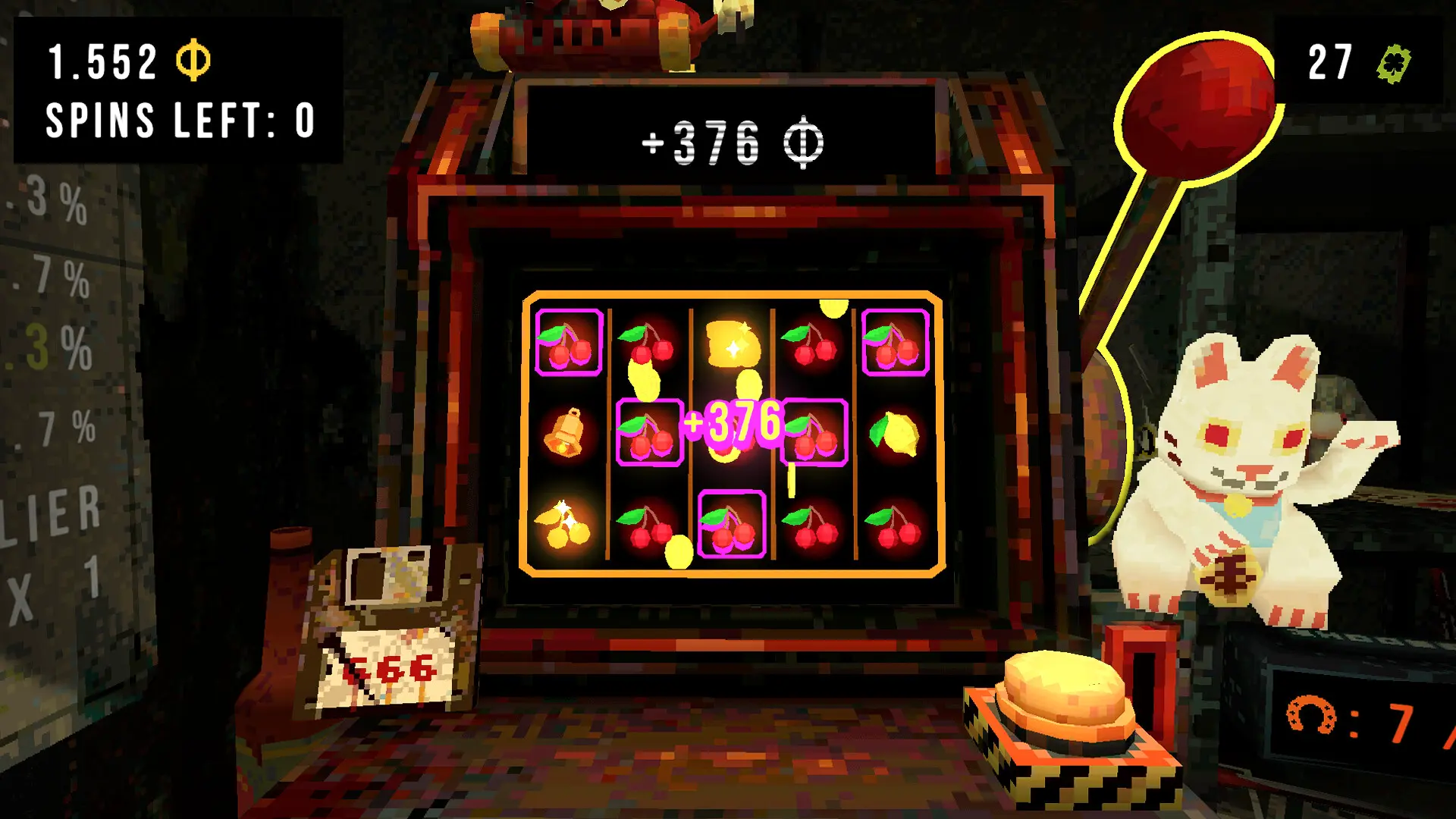

The demonic roguelite horror game CloverPit is making its way to iOS and Android with the mobile version by Ateo.